19.11.2025
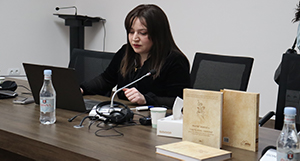
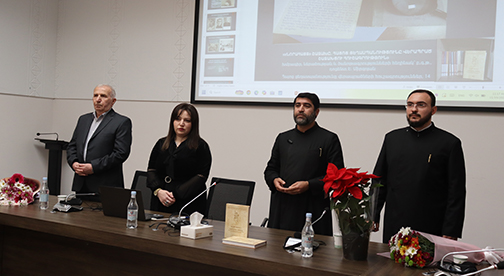
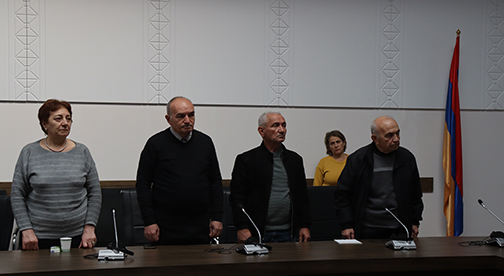
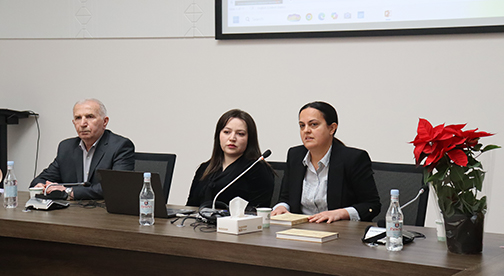
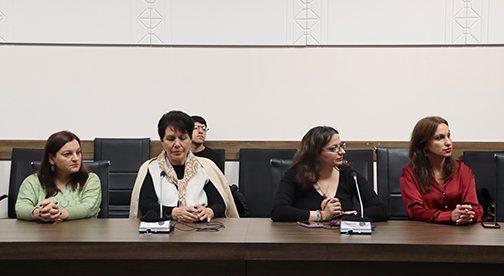
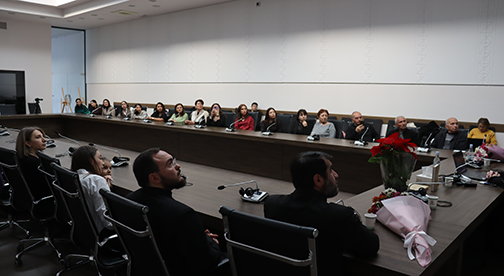
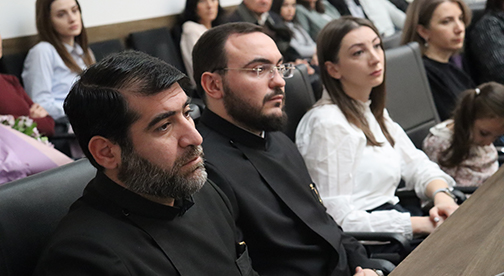
The Armenian Genocide Museum-Institute (AGMI) presented the unique manuscript of Serob Kosyan: the book "'Newly Discovered' Shatakh: Memoir of a Shatakh Native Who Survived the Armenian Genocide." The event commenced with a book blessing ceremony conducted by Father Ararat Poghosyan, Director of the "Vache and Tamar Manoukian" Matenadaran of the Mother See of Holy Etchmiadzin, followed by a welcoming speech from AGMI Director Edita Gzoyan.
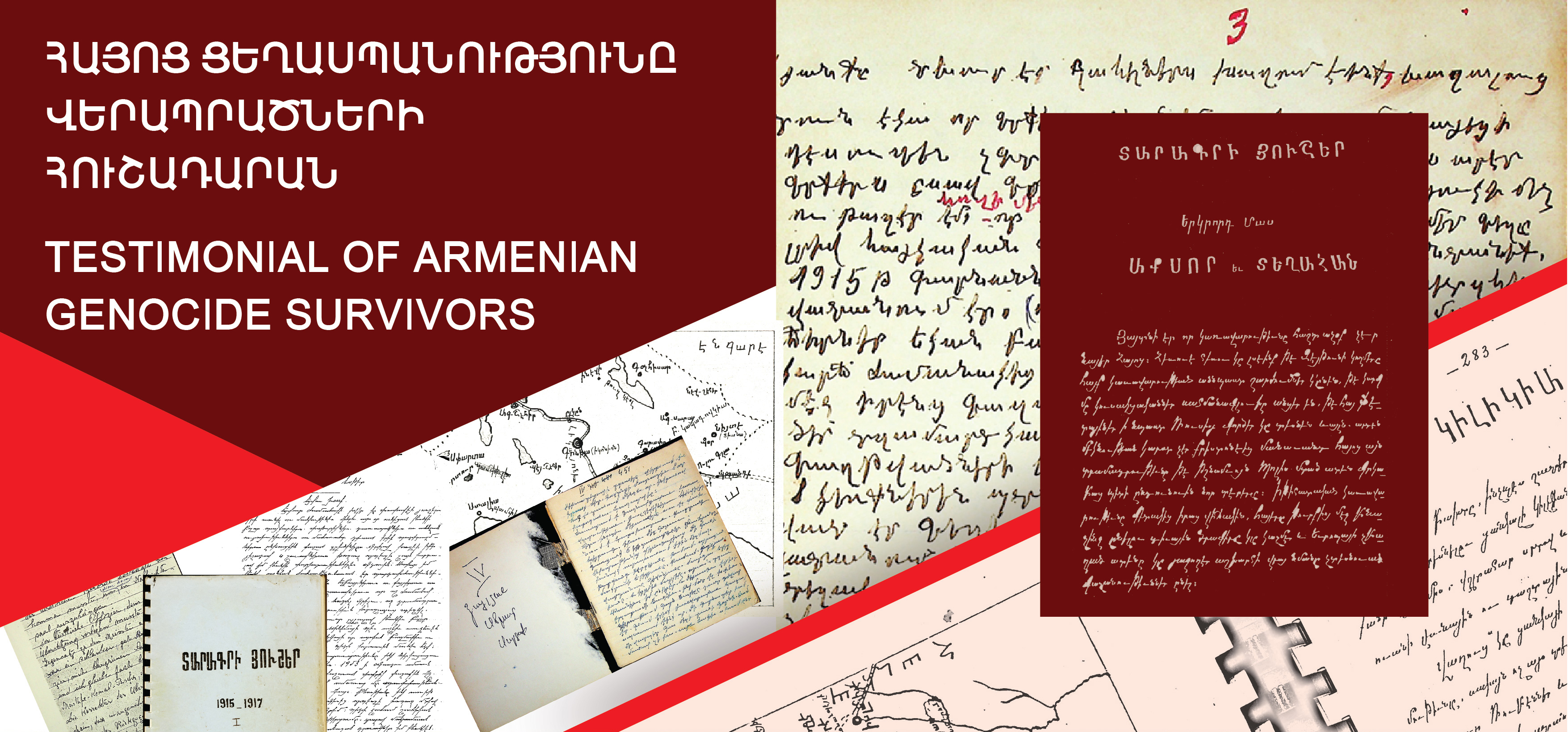
Published within the series of memoirs of Armenian Genocide survivors, this work fully presents the two-part writing of Serob Kosyan, a survivor from Shatakh: "The Valley of Shatakh" and the unpublished manuscript memoir "The Eccentrics of Shatakh" (Shatakhi Tsrer).
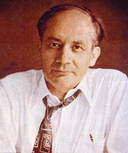
Serob Kosyan was 15 years old when he lost his entire family, but at the age of 70, he decided to save what was still possible. His handwritten memoir restores the details of life in the Shatakh district of the Van province in the Ottoman Empire—from language to traditions and humorous anecdotes.
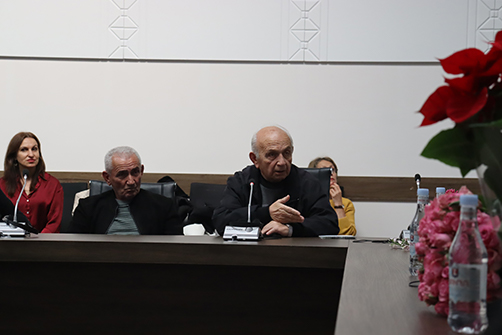
The survivor's son, Suren Kasyan, noted that his father's goal was to leave a legacy for future generations. On his initiative, the manuscripts and a hand-drawn map of the Tagh regional center of Shatakh were donated to the Museum-Institute with the hope that they would one day be published and made accessible to the public.
According to the book's editor, YSU lecturer and AGMI researcher Elina Mirzoyan, the work is valuable from dialectological and linguistic perspectives, as well as for genocide studies and ethnography. The book presents around 280 words from the Shatakh dialect, while the research nature of the memoir makes it an important source for recognizing the history, culture, and heritage of Shatakh and its people.